Yesterday, on 20 March 2026, Afghanistan celebrated Nowruz, its New Year—a day traditionally filled with hope, renewal, and new beginnings. Today, 21 March, the country observes Farmer’s Day, honoring those who work tirelessly to sustain the nation. And tomorrow, 22 March, the new school year is set to begin.
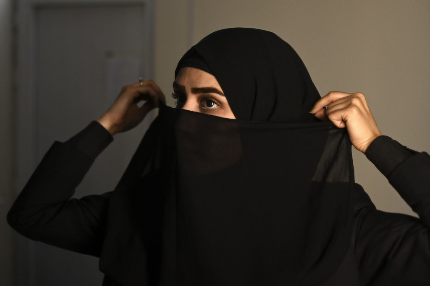
But this year, like the last four, the classrooms will be empty of girls and women beyond primary school age. Once again, millions of young Afghan girls will be denied their right to learn and grow. It has now been 1,645 days since the Taliban banned women from secondary and higher education—a ban that has become a bleak symbol of lost futures and unfulfilled dreams.
This year’s Nowruz arrives under an even darker shadow. In recent days, a devastating Pakistani airstrike on a drug rehabilitation center in Kabul reportedly killed more than 400 people and injured hundreds more. Among the dead were some of the most vulnerable members of Afghan society—men seeking recovery and a second chance at life. Families are still searching for loved ones, some buried beneath rubble, others unaccounted for in overwhelmed hospitals and morgues.
This tragedy is a stark reminder that while Afghan girls are denied classrooms, many Afghan families are now also burying their sons. The cycle of loss—of education, of opportunity, and of life itself—continues to deepen.
A Regression of Historic Proportions
When the Taliban seized Kabul on 15 August 2021, the international community watched in alarm as memories of their brutal first regime (1996–2001) resurfaced, when girls were forbidden from school. After 2001, Afghanistan saw remarkable progress: literacy climbed; girls filled classrooms; women entered professions once denied to them. These gains were hard-won and fragile—but real.
Yet, within months of returning to power in 2021, the Taliban began stripping away these freedoms again. Girls were initially barred from secondary schools above Grade 6, and soon after, they were prevented from entering universities altogether.
Although the Taliban offered shifting justifications—“security concerns,” “curriculum revisions,” or “scholarly review”—the outcome has been the same: education denied. At times, senior officials claimed religious scholars were still studying the issue, a cruel mockery of the very right they suppress.
1,645 Days of Lost Futures
To grasp the weight of this loss, consider this: before the ban, nearly 40 percent of primary students and over 30 percent of secondary students were girls, and nearly a quarter of university students were women. These were not just numbers—they were futures.
Now, well over 2 million Afghan girls are excluded from school, with no clear end in sight. The interruption of education has erased years of progress, deepening gender inequality and weakening the social and economic fabric of the entire country.
UN agencies, including UNESCO and UNICEF, have repeatedly warned that if this ban persists until 2030, millions more girls will be denied education, with ripple effects across health, economic development, and civic life.
The Emotional Toll
Behind every statistic is a girl whose classroom seat remains empty. A young woman who once dreamed of becoming a doctor, engineer, teacher, or scientist now sits at home with no path forward. Some attend underground or community classes, or study online behind closed doors, risking arrest or worse just to learn.
Others find themselves in makeshift religious schools that offer rote memorization of doctrine, not the critical thinking and opportunities that formal education once provided.
This is not just a policy failure—it is a moral crisis. A society that denies education to its daughters and sisters betrays its own future.
Hope in the Darkness
Despite the hopelessness many feel, Afghan women and girls continue to resist in courageous, creative ways—learning in secret, forming study groups, using clandestine networks, and calling the world to remember them.
Yet this resistance should not be their burden alone. As Afghanistan watches its New Year dawn without girls in schools—and as the country mourns yet another devastating loss of civilian life—the urgency of action has never been greater.
Afghan girls are not a statistic. They are our sisters, daughters, classmates, and future leaders. Their exclusion is a loss for the entire nation—and it must end.